In Michigan winters, snowmelt is more than a seasonal inconvenience — it’s one of the most common causes of residential water damage. Heavy snowfall, frequent freeze-thaw cycles, and frozen ground that can’t absorb water all increase the risk once temperatures rise.
When snow begins to melt, the water has to go somewhere. Too often, it finds the path of least resistance… straight into your home.
Why Snowmelt Causes Water Damage in Michigan
Michigan’s climate creates the perfect conditions for winter water intrusion:
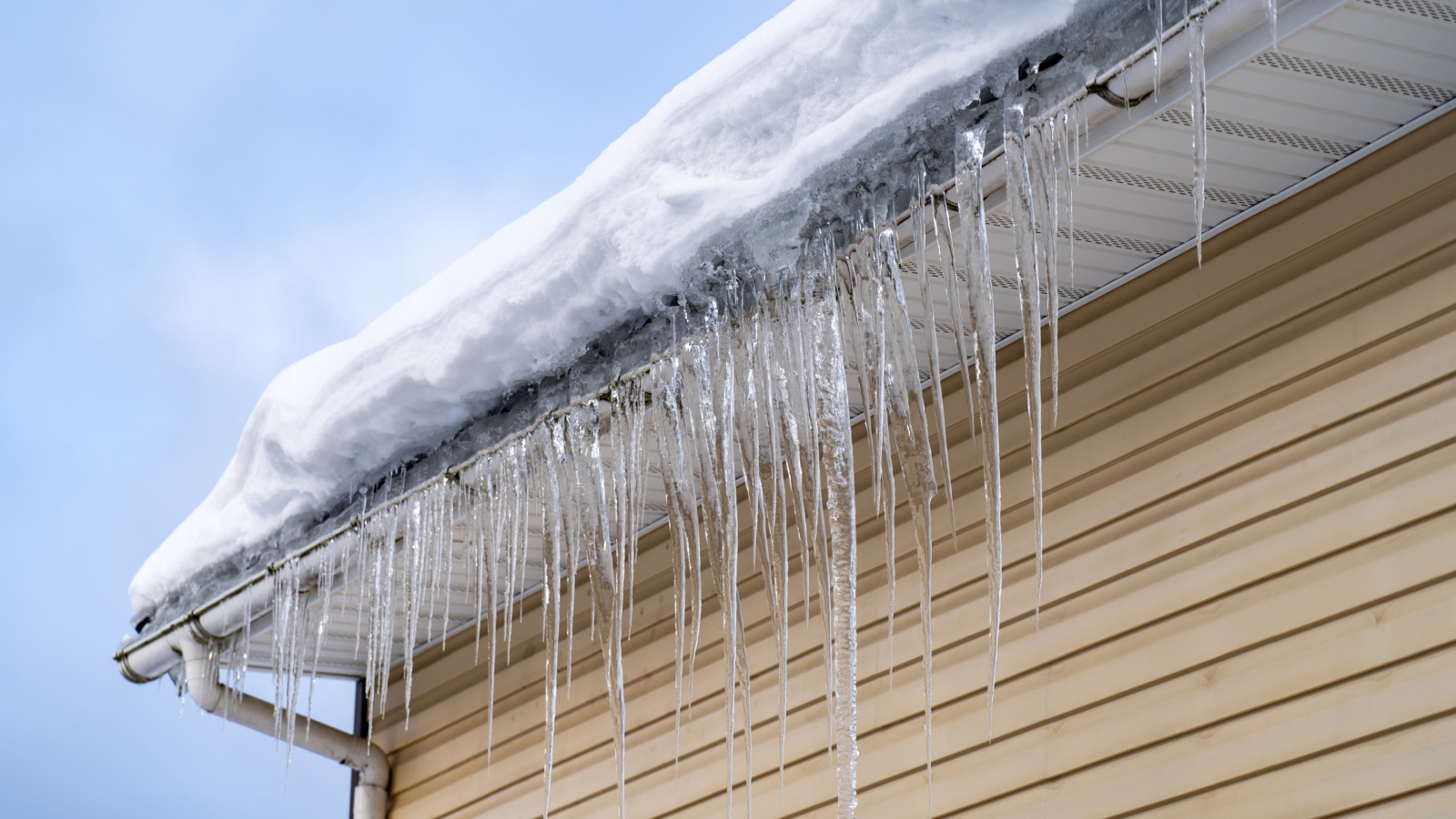
- Ice dams force water under shingles
Fluctuating winter temperatures allow snow to melt and refreeze at roof edges, pushing water beneath roofing materials. - Gutters and downspouts get overwhelmed
Snow, ice, and debris block proper drainage, sending meltwater toward the foundation. - Frozen ground pushes water toward your home
When soil can’t absorb moisture, water is redirected sideways into basements and crawl spaces. - Freeze-thaw cycles widen foundation cracks
Small cracks expand during winter, creating easy entry points for melting snow. - Blocked exterior drains cause fast backups
Ice and debris can overwhelm drains and window wells quickly.
Early Signs of Water Damage to Watch For
These warning signs often show up right after a thaw:
- Yellow or brown stains on walls or ceilings
- Peeling, bubbling, or cracking paint
- Musty or damp odors in basements
- Warped floors or soft spots
- Mold or mildew beginning to appear
Spotting these signs early can prevent bigger, more expensive problems.
How to Reduce Your Risk During Snowmelt Season
A few preventative steps can go a long way during Michigan winters:
- Clear gutters and extend downspouts away from the foundation
- Shovel snow away from basement walls and window wells
- Seal foundation cracks early
- Make sure the ground slopes away from your home
- Use and maintain a sump pump in basements or crawl spaces
These simple measures help manage runoff before it becomes a problem.
What to Do If Water Gets Inside
If water intrusion occurs, act fast:
- Remove standing water as soon as possible
- Dry affected areas thoroughly
- Disinfect surfaces to help prevent mold
- Call professionals if damage is widespread or keeps returning
Pro Tip for Michigan Homeowners
Water damage from snowmelt moves fast — and waiting usually makes repairs more expensive. Quick action can limit damage and reduce long-term issues like mold. When winter starts to melt, make sure your home stays dry and protected.
If you need help you can trust, call VersaPro at 888.291.VPRO for professional water damage response and restoration.